Introduction to Value Added Tax (VAT) Registration in Thailand
Value-Added Tax (VAT) registration is a critical step for businesses operating within Thailand.
It is not only a legal requirement for most types of businesses, particularly those with any foreign ownership &/or management, but also a strategic advantage in many aspects of business operations.
This article provides a comprehensive overview of Value Added Tax VAT registration in Thailand, including its importance, who needs to register, the process involved, and the benefits and consequences associated with VAT compliance.
Explanation of What Value Added Tax (VAT) Registration Is
VAT registration involves enrolling a business with the Thai Revenue Department to set up a VAT account for monthly tracking of Input VAT (i.e., from expenditures) and Output VAT (i.e., from revenues), in accordance with the Thai Revenue Code.
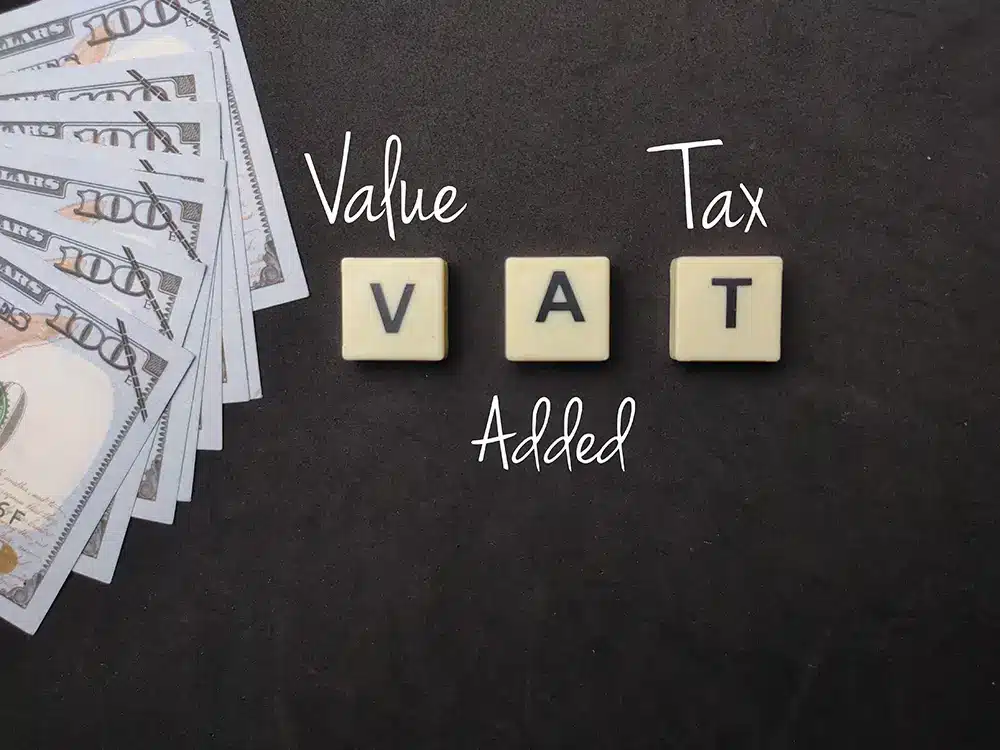
VAT is a consumption tax placed on a product whenever value is added at a stage of production and at the point of retail sale.
In Thailand, VAT is applicable to most goods and services, making it a significant part of the government’s taxation framework.
Importance of VAT Registration for Businesses Operating in Thailand
Registering for Value Added Tax (VAT) is crucial as it aligns businesses with Thai tax laws, ensuring legal operations and enabling them to pay VAT on their transactions. Additionally, it facilitates smoother transactions with other VAT-registered businesses, both locally and internationally.
Registering for VAT also allows businesses to claim Input VAT credits on their purchases, helping to reduce costs and improve cash flow because monthly Output VAT collected form customers can be offset against Input VAT already paid to suppliers.
Therefore, allowing the business to recover past and present Value Added Tax (VAT) cash outlays. It also helps to enhance the credibility of a business in the eyes of customers, suppliers, and financial institutions.
Open up new opportunities for business growth
Furthermore, VAT registration can open up new opportunities for business growth, as many larger companies and government entities require their suppliers to be registered for VAT in order to do business with them.
Overall, registering for VAT is essential for businesses looking to operate legally, efficiently, and competitively in the Thai market. It is a key step towards ensuring compliance with tax laws and maximizing business potential.
Who Needs to Register and is subject to VAT in Thailand
Businesses that reach a THB 1.8 million annual revenue threshold are required to register for VAT. This includes both local businesses and foreign entities engaging in trade or providing services within Thailand.
By registering for VAT, businesses can also claim Input VAT credits on any VAT they have paid on purchases once they become VAT registered, helping to reduce overall costs.
Furthermore, being registered for Value Added Tax can enhance a company’s credibility and reputation with customers and suppliers.
Finally, VAT registration is typically required before companies can obtain any work permits for their foreign employees &/or directors.
Threshold for Mandatory Registration
In Thailand, businesses are required to register for VAT if their annual turnover exceeds THB 1.8 million. Failure to register for VAT when required can result in penalties and fines imposed by the tax authorities.
Overall, registering for Value Added Tax can provide numerous benefits for businesses operating in Thailand, including compliance with tax laws, cost savings, and improved business relationships.
It is an important step for businesses looking to operate legally and efficiently in the Thai market.
Voluntary Registration For Value Added Tax
Businesses with turnover below the mandatory threshold may choose to register for VAT voluntarily. This can be beneficial for those who seek to enhance their business credibility or anticipate future growth.
If a business wishes to hire foreign employees, then VAT registration is a prerequisite for obtaining a work permit for any foreigners to allow them to work legally in Thailand.
By voluntarily registering for VAT, a business can claim back any VAT on their purchases, which can help reduce costs and improve cash flow.
Additionally, being registered for VAT can make a business more attractive to potential customers, particularly larger companies who may only work with VAT-registered suppliers.
Help a business prepare for future growth
Voluntary registration can also help a business prepare for future growth. By being registered for VAT, a business can start to implement the necessary processes and procedures to comply with VAT regulations.
Which will be beneficial if their turnover eventually exceeds the mandatory threshold. However, it’s important to consider the potential drawbacks of voluntary registration.
Such as the administrative burden of maintaining Value Added Tax records and submitting monthly VAT returns.

Is voluntary registration the right decision?
It’s also important to ensure that voluntary registration is the right decision for the business based on factors such as the types of goods or services provided and the impact on pricing.
Overall, voluntary registration for Value Added Tax can be a strategic decision for businesses looking to enhance their credibility, improve cash flow, and prepare for future growth.
It’s important to carefully weigh the benefits and drawbacks before making a decision to voluntarily register for VAT.
Exemptions from Value Added Tax Registration
Certain activities and organizations are exempt from VAT registration, including small enterprises with low turnover, some charitable organizations, and specific agricultural, educational, and religious services.
Additionally, businesses that only provide VAT exempt supplies are not required to register for VAT. This includes financial services, insurance, health services, and some education and childcare services.
Exempt from Value Added Tax Non-profit organizations
Non-profit organizations that meet certain criteria are also exempt from VAT registration. This includes charities, trade unions, political parties, and certain sporting clubs.
It is important for businesses to carefully review the guidelines and regulations regarding VAT registration to ensure compliance with the law. Consulting with a tax professional or legal advisor can help businesses determine if they qualify for any exemptions from VAT registration.
Process of Value Added Tax Registration in Thailand
Required Documents and Information For a VAT Number
The process begins with preparing necessary documents such as a copy of the company’s registration certificate, identification proof of the business owners, and a description of business activities.
Steps Involved in the Registration Process
- Application Submission: Submit the VAT registration form (Form VAT 01) along with the required documents to the Thai Revenue Department.
- Verification: The Thai Revenue Department may conduct a verification of the information and documents provided.
- Registration Approval: Once verified, the VAT registration certificate is issued.
Timeframe for Receiving VAT Registration Certificate
The entire process, from submission to receiving the Value Added Tax registration certificate, typically takes about two weeks, depending on the completeness and accuracy of the submitted documents.
If there are any errors or missing information in the application, it may result in delays in processing the registration. It is important to ensure that all required documents are submitted correctly to avoid any delays in receiving the VAT registration certificate.
Benefits of being VAT Registered and Paying VAT in Thailand
Ability to Claim Input Tax Credits
Registered businesses can claim input tax credits, which means they can deduct the VAT paid on their purchases from their collected VAT, thus reducing overall tax liability.
This helps businesses avoid paying tax to the Thai Revenue Department on tax when they have VAT collections from customers (i.e., Output VAT) by allowing them to recover/offset the VAT already paid on Input VAT used in their business operations.
Input VAT credits can be claimed on a wide range of expenses, including purchases of goods and services, import of goods, and capital/asset investments.
To claim Input Value Added Tax credits, businesses must keep detailed records of their purchases (i.e., tax invoices) and be able to demonstrate how those purchases are related to their taxable supplies. They must also ensure that they have valid and compliant tax invoices from their suppliers.
Claiming input tax credits can help businesses improve their cash flow and reduce their overall tax burden, ultimately contributing to their financial health and competitiveness in the market.
Compliance with Current Value Added Tax and Thai Tax Laws
Registration ensures compliance with Thai tax laws, avoiding legal complications and aligning with business best practices. Here are some key aspects of compliance with Thai tax laws:
1. Tax registration: Ensure that your business is registered for tax purposes with the Thai Revenue Department. This includes obtaining a Thai Tax ID Number and before registering for VAT.
2. Timely filing: Adhere to deadlines for filing tax returns and payments, which for Value Added Tax is the 15th day of the month after the VAT was recognised. Failure to do so can result in penalties and interest charges.
3. Record keeping: Maintain accurate and up-to-date financial records to support your tax filings. This can help in case of audits or inquiries from tax authorities.
4. Deductions and exemptions: Familiarize yourself with allowable deductions and exemptions to minimize tax liabilities. Consulting with a tax advisor can help you optimize your tax strategy.
5. Compliance with withholding tax requirements: Ensure that you are withholding and remitting the correct amount of taxes from payments made to employees, service vendors, and contractors.
6. Transparent transactions: Avoid engaging in prohibited transactions, such as underreporting income or engaging in tax evasion schemes. Transparency and honesty are key in maintaining compliance with Thai tax laws.
By proactively managing your tax obligations and staying informed about updates to tax laws, you can mitigate risks of non-compliance and protect your business from adverse legal consequences.
It is recommended to seek advice from a professional tax advisor to ensure that you are compliant with Thai tax laws.
Consequences of Not Registering for Thai Value Added Tax in Bangkok, Thailand

Penalties for Non-Compliance
Failing to register for VAT can result in substantial penalties, including fines and back taxes with interest. It can also lead to audits and legal action from the Thai Revenue Department. The penalties for non-compliance with VAT registration requirements can include:
1. Fines: Businesses that fail to register for Value Added Tax can face hefty fines, which can vary depending on the jurisdiction and the amount of tax owed to the revenue office.
2. Back taxes: Non-compliant businesses may be required to pay back taxes, along with interest, for the period in which they should have been registered for VAT.
3. Audits: The Thai Revenue Department may decide to audit the business to investigate its financial records and determine the extent of non-compliance.
4. Legal action: In severe cases of non-compliance, businesses may face legal action from the tax authorities, including criminal prosecution.
It is important for businesses to comply with Value Added Tax registration requirements to avoid these penalties and ensure they are fulfilling their tax obligations.
If a business is unsure of its VAT registration requirements, it is recommended to seek advice from a tax professional or legal advisor.
Legal Implications of Operating Without VAT Registration
Operating without proper VAT registration can lead to legal issues, impacting the business’s ability to operate within Thailand.
1. Financial Penalties: If a business is found to be operating without VAT registration, they may face financial penalties imposed by the tax authorities. These penalties can include fines and interest on any unpaid VAT.
2. Inability to Claim Input VAT: Without VAT registration, a business cannot claim input VAT on their purchases and expenses. This can result in higher costs for the business and reduced profitability.
3. Legal Action: The Thai tax authorities may take legal action against the business for operating without proper VAT registration. This can result in further financial penalties and possible closure of the business.
4. Reputation Damage: Operating without proper VAT registration can damage the reputation of the business. Customers may view the business as untrustworthy or unprofessional, leading to a loss of business and potential legal action from customers.
5. Ineligibility for Government Contracts: Some government contracts may require vendors to be VAT registered. Operating without VAT registration can make the business ineligible for these contracts, limiting business opportunities.
Overall, operating without proper VAT registration can have serious legal implications for a business in Thailand. It is important for businesses to comply with VAT regulations to avoid these legal issues and ensure the smooth operation of their business, which is subject to VAT.
Conclusion
VAT registration is not only a legal requirement for many businesses in Thailand but also a key component of strategic tax planning. It provides significant benefits, such as the ability to claim tax credits and enhanced credibility when offering services in Thailand.
Understanding and complying with VAT registration requirements are crucial for the successful operation and growth of any business within Thailand, with special attention to services provided in Thailand.
By registering for VAT, businesses can ensure that they are operating within the legal framework and are able to take advantage of various tax benefits and opportunities.
Help Building Trust in the Community
Additionally, VAT registration can help businesses build trust and credibility with both customers and suppliers, ultimately leading to long-term success and growth.
It is important for businesses to seek professional advice and guidance to navigate the complexities of VAT registration and compliance.
By properly managing their VAT obligations, businesses can maximize their financial resources, minimize risks, and position themselves for success in the competitive Thai market, including the correct application of the VAT rate.
Overall, VAT registration is a vital component of any business strategy in Thailand and should not be overlooked.
How AO can help your business with VAT Registration
At AO, we understand the complexities that both local and foreign companies encounter when dealing with VAT registration in Thailand.
With more than 18 years of experience serving clients, AO is adept at comprehending the nuances of VAT requirements to ensuring continuous compliance with evolving tax laws. Our expert team at AO is here to offer expert guidance on goods and services in Thailand.

AO Can Assist You
AO provides free consultations to discuss your specific VAT registration needs, whether your business operates locally in Thailand or internationally.
Our expertise with a diverse range of business clients ensures adherence to the Thai Revenue Department’s regulations, helping to establish a compliant and successful fiscal framework for your company in Thailand.
FAQs
Q: What is Value Added Tax (VAT) in Thailand?
A: Value Added Tax (VAT) is a type of indirect tax imposed on the value added to goods and services at each stage of the production and distribution chain.
Q: Who is required to register for VAT in Thailand?
A: Businesses that have annual sales exceeding 1.8 million Thai Baht are required to register for VAT purposes within 30 days of reaching this threshold.
Q: How can I apply for VAT registration in Thailand?
A: To apply for VAT registration in Thailand, businesses must submit Form VAT 01 to the Revenue Department at the Area Revenue Office where the business is located.
Q: What are the VAT rates in Thailand?
A: Although enacted in at 10%, the long-standing VAT rate in Thailand is 7%. Furthermore, certain goods and services may be exempt from VAT or subject to a different VAT rate.
Q: What are the consequences of not registering for VAT when required in Thailand?
A: Businesses that are required to register for VAT in Thailand but failure to do so may face penalties and fines imposed by the Thai Revenue Department.
Q: How can businesses in Thailand claim their VAT credits?
A: Yes, businesses in Thailand that have paid more VAT on purchases (Input VAT) than they have collected on sales (Output VAT) can offset/recover their VAT credit, this keeping the cash from their Output VAT collected from customers to the extent of their VAT credit balance.
Alternatively, for export businesses that do not collect Output VAT, their VAT credits may need to be claimed through the tax refund process.
This process can be challenging because the Thai Revenue Department will perform a through tax audit on the company before issuing any tax refund that will scrutinize the detailed tax records of the business for valid documentation and adherence to all manner of tax compliance.
Q: Are there any specific requirements for VAT invoices in Thailand?
A: VAT invoices issued in Thailand must contain specific information such as the VAT number of the seller, date of issuance, description of goods or services, VAT amount, and total amount including VAT.