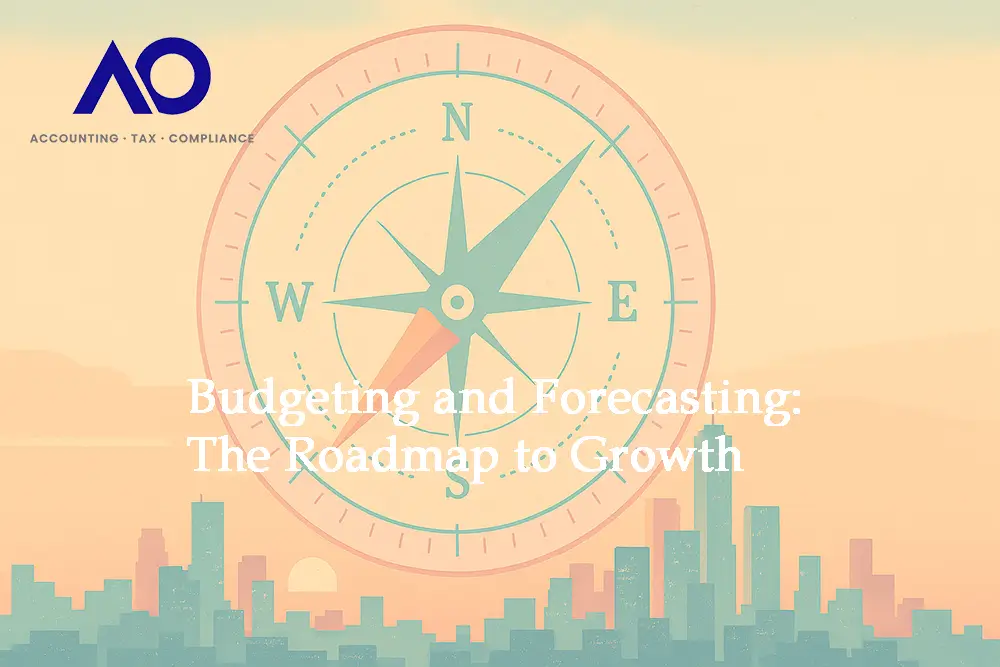
Strategic planning is the cornerstone of any successful business, and at its core lies the ability to anticipate the future. In an ever-changing economic landscape, organizations must be prepared to adapt, innovate, and grow. Budgeting and forecasting serve as the financial compass that guides businesses toward their goals, ensuring they remain agile, resource-efficient, and prepared for both opportunities and challenges.
By leveraging historical data, market trends, and strategic objectives, accounting teams create budgets and forecasts that align with the company’s vision. These financial tools not only provide a roadmap for growth but also empower businesses to make informed decisions, allocate resources effectively, and mitigate risks.
The Role of Budgeting in Strategic Planning
A budget is a detailed financial plan that outlines expected revenues, expenses, and investments over a specific period, typically a fiscal year. It serves as a blueprint for how a company intends to allocate its resources to achieve its strategic objectives. Budgeting is not just about controlling costs; it’s about aligning financial resources with business priorities.
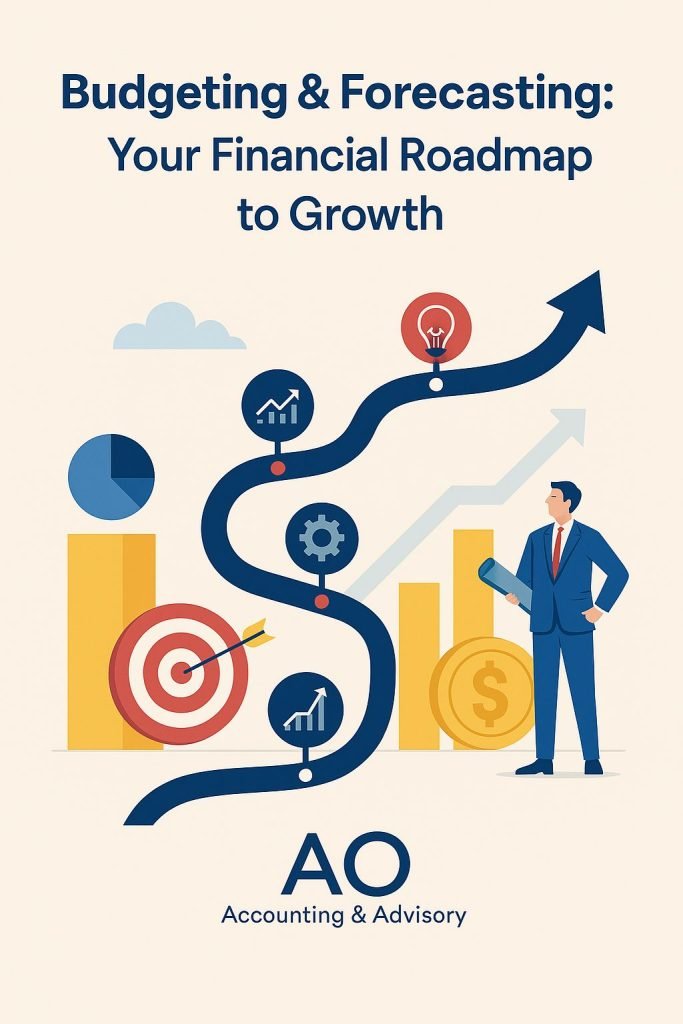
For example, a company planning to enter a new market might allocate funds for market research, marketing campaigns, and hiring local talent. By creating a budget, the organization can identify resource gaps, prioritize initiatives, and ensure that every dollar spent contributes to long-term growth.
One of the key benefits of budgeting is its ability to set measurable milestones for success. By breaking down annual goals into quarterly or monthly targets, businesses can track their progress and make adjustments as needed. For instance, a tech startup might set a milestone to achieve a certain revenue target within six months of launching a new product.
If the target is not met, the company can analyze the underlying reasons—such as insufficient marketing or product issues—and reallocate resources accordingly. This iterative process ensures that the business remains on track to achieve its objectives.
The Power of Forecasting for Agility
While budgeting provides a static plan, forecasting offers a dynamic view of the future. Forecasts are updated regularly to reflect changing market conditions, revenue trends, and operational performance.
Unlike budgets, which are often set in stone for the fiscal year, forecasts allow businesses to adapt to new information and make real-time adjustments. This is particularly valuable in industries characterized by rapid change, such as technology or retail.
Rolling forecasts, for example, are a popular tool among agile organizations. These forecasts are updated on a continuous basis, typically every quarter, to reflect the latest data.
A tech startup might use rolling forecasts to adjust its research and development (R&D) spending based on quarterly revenue trends. If revenue exceeds expectations, the company might increase its R&D budget to accelerate product development.
Conversely, if revenue falls short, the company might scale back R&D spending to conserve cash. This flexibility enables businesses to remain competitive in a fast-paced environment.
Forecasting also plays a critical role in risk management. By projecting future cash flows, businesses can identify potential cash crunches and take proactive measures to address them. For instance, a manufacturing company might forecast a cash shortfall due to delayed customer payments.
To mitigate this risk, the company could negotiate extended payment terms with suppliers or secure a line of credit. By anticipating risks before they materialize, businesses can avoid costly disruptions and maintain financial stability.
Integrating Budgeting and Forecasting for Growth
While budgeting and forecasting serve distinct purposes, they are most effective when used together. Budgeting provides a structured plan for achieving strategic goals, while forecasting offers the flexibility to adapt to changing circumstances. Together, these tools create a comprehensive financial framework that supports growth and innovation.
For example, consider a mid-sized e-commerce company planning to expand its product line. The company’s budget might allocate funds for product development, marketing, and inventory. However, as the company begins to execute its plan, it might encounter unexpected challenges, such as supply chain disruptions or shifts in consumer preferences.
By regularly updating its forecasts, the company can identify these challenges early and adjust its budget accordingly. This integrated approach ensures that the company remains aligned with its strategic objectives while maintaining the agility to navigate uncertainties.
Moreover, budgeting and forecasting foster accountability and transparency within organizations. By setting clear financial targets and regularly reviewing performance, businesses can hold teams accountable for their results. This creates a culture of ownership and continuous improvement, where employees are motivated to achieve their goals and contribute to the company’s success.
Conclusion
Budgeting and forecasting are indispensable tools for any organization seeking to achieve sustainable growth. By providing a clear roadmap for resource allocation and enabling real-time adjustments, these financial models empower businesses to navigate uncertainties, seize opportunities, and achieve their strategic objectives.
Whether you’re a tech startup using rolling forecasts to stay agile or a manufacturing company leveraging budgets to manage cash flow, the integration of budgeting and forecasting is key to building a resilient and future-ready organization. In an era defined by rapid change and intense competition, the ability to anticipate the future and plan accordingly is not just a competitive advantage—it’s a necessity.
About AO Accounting and Advisory
AO Accounting and Advisory is a Bangkok-based firm providing expert tax, accounting, and business advisory services tailored to individuals and businesses across Thailand. With over 20 years of industry experience, we specialize in simplifying complex financial processes—such as tax compliance, accounting systems, and strategic financial planning—helping our clients achieve greater efficiency, compliance, and profitability.
Our team is committed to delivering accurate, timely, and personalized solutions that support long-term growth and success. Whether you’re a local entrepreneur or an international business, AO is your trusted partner in navigating Thailand’s financial landscape.
FAQs About Budgeting and Forecasting
Q: What are some common challenges in the budgeting and forecasting process?
A: Common challenges include inaccurate financial data, lack of collaboration among stakeholders, and difficulties in implementing budgeting and forecasting software. These issues can hinder the effectiveness of the forecasting process and impact financial performance.
Q: How can I improve my budgeting process?
A: To improve your budgeting process, consider adopting best practices such as integrating analytics tools, using budgeting and forecasting software, and regularly reviewing variance reports to adjust your financial plan accordingly.
Q: What are the key differences between budgeting and forecasting?
A: The key differences between budgeting and forecasting lie in their purpose and time frame. Budgeting is a detailed financial plan for a specific period, while forecasting predicts future financial outcomes based on historical data and trends.
Q: How can rolling forecasts enhance the financial planning process?
A: Rolling forecasts allow businesses to continuously update their financial forecasts based on real-time data and changing business conditions. This approach helps organizations to remain agile and adapt their financial plans as needed.
Q: What role does analytics play in the budgeting and forecasting process?
A: Analytics play a crucial role by enabling finance teams to analyze financial data, identify trends, and make informed business decisions. Utilizing data analysis can enhance the accuracy of both budgeting and forecasting efforts.
Q: Can I use Excel for budgeting and forecasting?
A: Yes, Excel can be used for budgeting and forecasting, but it may not be the most efficient solution for larger organizations. While spreadsheets are flexible, transitioning to dedicated budgeting and forecasting software can streamline the process and reduce errors.
Q: What are some best practices for effective financial forecasting?
A: Best practices for effective financial forecasting include using reliable data sources, regularly updating forecasts, involving the finance team in the process, and aligning forecasts with overall business goals to ensure consistency and accuracy.
Q: How can a software solution improve the budgeting and forecasting process?
A: A budgeting and forecasting software solution can automate data collection, provide advanced analytics, and facilitate collaboration among stakeholders. This improves accuracy, saves time, and enhances the overall financial management process.
Q: What is a budget forecast and how is it used?
A: A budget forecast is a projection of future income and expenses based on historical data, market trends, and business goals. It is used to guide financial planning, assess cash flow needs, and inform strategic business decisions.
Q: How do I implement a successful forecasting process in my organization?
A: To implement a successful forecasting process, start with setting clear financial goals, choose the right tools and software, involve key stakeholders, and regularly review and adjust forecasts based on actual performance and changing conditions.